Hazards
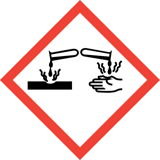
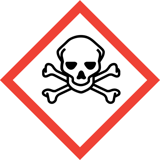
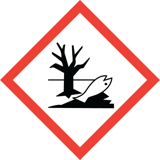
- H302Harmful if swallowed.
- H314Causes severe skin burns and eye damage.
- H400Very toxic to aquatic life.
- H331Toxic if inhaled.
Full GHS classification
- Acute Toxicity (Oral) Category 4 — H302
- Skin Corrosion/Irritation Category 1 — H314
- Hazardous to the Aquatic Environment (Acute) Category 1 — H400
- Acute Toxicity (Inhalation) Category 3 — H331
Poisons schedule
Schedule 6 (S6) — SUSMP
Used for
Water treatment; resin stabilisation; manufacture of textiles, rubber, fertilisers, pharmaceuticals, detergents and household cleaners; refrigeration; pH adjustment.
Never
Not for domestic / unprotected consumer use; not for human consumption.
Transport
- UN number
- 2672
- Proper shipping name
- AMMONIA SOLUTION, relative density between 0.880 and 0.957 at 15°C in water, with more than 10% but not more than 35% ammonia
- Class
- Class 8 (Corrosive) — see ADG Table 3.2.3
- Packing group
- III
- Hazchem
- 2R
Handling
- Appearance
- Liquid — colourless
- pH
- 11.7 @ 1% aqueous solution
- Keep away from
- Incompatible with acids (violent reaction), peroxides, metal salts and reducing agents. Corrosive to copper, nickel, tin, zinc, aluminium and their alloys. Store away from incompatible materials.
Also known as
Aqua ammonia; ammonium hydroxide solution
Summary only. The PDF is the Safety Data Sheet: read it before handling, storing or disposing of this product, and keep it with the product.