Hazards
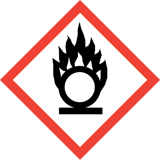
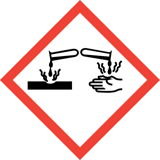
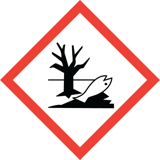

- H272May intensify fire; oxidiser.
- H302Harmful if swallowed.
- H314Causes severe skin burns and eye damage.
- H400Very toxic to aquatic life.
Full GHS classification
- Oxidising Solids Category 2 — H272
- Acute Toxicity (Oral) Category 4 — H302
- Skin Corrosion/Irritation Category 1B — H314
- Hazardous to the Aquatic Environment (Acute) Category 1 — H400
Poisons schedule
Schedule 6 (S6) — SUSMP
Used for
Swimming pool and spa disinfectant; sanitiser; algaecide; oxidising agent.
Never
Do NOT mix with other chemicals or acids. Not for domestic / unprotected consumer use.
Transport
- UN number
- 2880
- Proper shipping name
- CALCIUM HYPOCHLORITE, HYDRATED (with not less than 5.5% but not more than 16% water)
- Class
- Class 5.1 (Oxidising Agent) — see ADG Table 3.2.3
- Packing group
- II
- Hazchem
- 1W
Handling
- Appearance
- Granular solid — white
- pH
- 11.6 – 12.0 @ 10% solution
- Keep away from
- Incompatible with chloroisocyanurates, ammonium nitrate, acids, organic and combustible materials, reducing agents, ammonia and nitrogen compounds, aluminium, iron, lead, magnesium and zinc. Store away from heat / ignition sources and acids. Segregate per ADG Code segregation rules."
Also known as
Dry chlorine; calcium hypochlorite hydrated; granular chlorine; chlorinated lime; hypochlorous acid calcium salt
Summary only. The PDF is the Safety Data Sheet: read it before handling, storing or disposing of this product, and keep it with the product.