Hazards
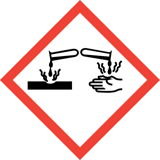
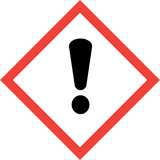
- H290May be corrosive to metals.
- H314Causes severe skin burns and eye damage.
- H335May cause respiratory irritation.
Full GHS classification
- Corrosive to Metals Category 1 — H290
- Skin Corrosion/Irritation Category 1A — H314
- Serious Eye Damage/Eye Irritation Category 1 — H318 (subsumed by H314)
- Specific Target Organ Toxicity (Single Exposure) Category 3 — H335
Poisons schedule
Schedule 6 (S6) — SUSMP
Used for
Chemical manufacture; acid neutralisation; pulp, paper, aluminium, detergent and textile processing; vegetable oil refining; reclaiming rubber; etching and electroplating; food additive.
Never
Do NOT add to hot water (risk of violent splash-back). Always add product to water, never water to product.
Transport
- UN number
- 1823
- Proper shipping name
- SODIUM HYDROXIDE, SOLID
- Class
- Class 8 (Corrosive)
- Packing group
- II
- Hazchem
- 2W
Handling
- Appearance
- Solid — white pearl / micropearl
- pH
- 14 (5% solution) — strongly alkaline
- Keep away from
- Acids (violent reaction); ammonium salts; chlorinated hydrocarbons; aluminium, zinc, lead, tin and their alloys (liberate hydrogen). See Section 10.
Also known as
Caustic soda; caustic soda micropearl; sodium hydroxide pearl; lye; sodium hydrate; NaOH
Summary only. The PDF is the Safety Data Sheet: read it before handling, storing or disposing of this product, and keep it with the product.