Hazards
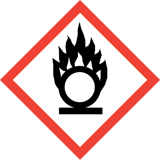

- H272May intensify fire; oxidiser.
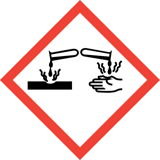
- H290May be corrosive to metals.
- H302Harmful if swallowed.
- H314Causes severe skin burns and eye damage.
- H335May cause respiratory irritation.
Full GHS classification
- Oxidising Liquid Category 3 — H272
- Corrosive to Metals Category 1 — H290
- Acute Toxicity (Oral) Category 4 — H302
- Skin Corrosion/Irritation Category 1A — H314
- Specific Target Organ Toxicity (Single Exposure) Category 3 (respiratory) — H335
Poisons schedule
Schedule 6 (S6) — SUSMP
Used for
Laboratory chemical; manufacture of nitrates and nitro compounds (fertilisers); dye intermediate; explosives.
Never
Not for unprotected domestic / consumer use. Keep away from all combustibles and organics — strong oxidiser.
Transport
- UN number
- 2031
- Proper shipping name
- NITRIC ACID, other than red fuming, with at least 65%, but not more than 70% nitric acid
- Class
- Class 8 (Corrosive) + subsidiary Class 5.1 (Oxidising Agent) — see ADG Table 3.2.3
- Packing group
- II
- Hazchem
- 2R
Handling
- Appearance
- Liquid — clear, colourless to yellow
- pH
- < 1 (strongly acidic)
- Keep away from
- Most metals (esp. powdered / alkali / alkaline-earth metals); strong bases; organic chemicals (alcohols, ketones, amines, hydrocarbons, etc.); combustibles; reducing agents; hydrogen peroxide; non-metals; sulphides; carbides; cyanides; hypergolic materials (hydrazine, furfuryl alcohol, etc.). Store away from incompatible materials (see Section 10).
Also known as
Azotic acid; engraver's acid; aqua fortis
Summary only. The PDF is the Safety Data Sheet: read it before handling, storing or disposing of this product, and keep it with the product.