Hazards
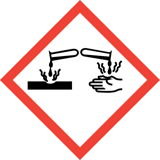
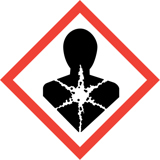

- H302Harmful if swallowed.
- H312Harmful in contact with skin.
- H318Causes serious eye damage.
- H314Causes severe skin burns and eye damage.
- H373May cause damage to organs through prolonged or repeated exposure.
Full GHS classification
- Acute Toxicity (Oral) Category 4 — H302
- Acute Toxicity (Dermal) Category 4 — H312
- Serious Eye Damage/Eye Irritation Category 1 — H318
- Skin Corrosion/Irritation Category 1B — H314
- Specific Target Organ Toxicity (Repeated Exposure) Category 2 — H373
Poisons schedule
Schedule 6 (S6) — SUSMP
Used for
Laboratory chemical; manufacture of substances; cleaning / descaling / bleaching.
Never
Not for unprotected domestic / consumer use. Minimise dust.
Handling
- Appearance
- Solid — uncoloured crystals or white powder
- pH
- ~0.7 (50 g/L) — strongly acidic
- Keep away from
- Alkalis / alkaline solutions; ammonia; acid chlorides; halogenates; oxidising agents; chlorates; hypochlorite; silver and salts of oxyhalogenic acids; mercury; metals. Store away from incompatible materials (see Section 10).
Also known as
Ethanedioic acid, dihydrate
Summary only. The PDF is the Safety Data Sheet: read it before handling, storing or disposing of this product, and keep it with the product.